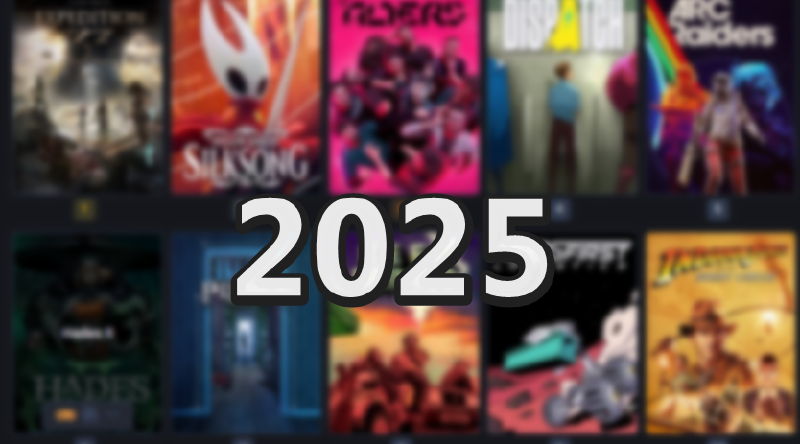
A visual version of this list can be viewed on Backloggd.
It’s that most wonderful time of the year once more – the time to reflect on what I’ve played this year and start the fun-but-also-agonizing process of ranking them numerically. 2025 was a year that was often surprising and somewhat upsetting (tens of thousands of talented game devs lost their jobs during the course of the year), but we continued to see teams releasing incredible, sometimes landmark games throughout the year. I’ve wondered if this the the start of a larger industry shakeup; recently I started reflecting on my top games of the past decade and it’s plain to see how far the tools available to small studios have come and how accessible they have made game development to even the smallest of teams. It honestly looks like the leap you’d see between console generations when you put the best indie or AA games of 2015 next to those of 2025. In any case, for the sake of those in gamedev I hope we see a shift toward more sustainability and stability in the creation of this unique form of art that brings us so much joy.
A quick note, much like my past lists this isn’t strictly limited to games released in 2025 (though most are), but features anything I’ve played and enjoyed during the course of the year. I used to limit it to a strict 10 but quickly gave up on that because arbitrarily cutting games I adored was too stressful. My list, my rules! Every game listed here is something I truly enjoyed and would recommend to others; they all get a flower in the end.
So, without further ado, let’s start this off weird with…
14. Arctic Eggs (2024)
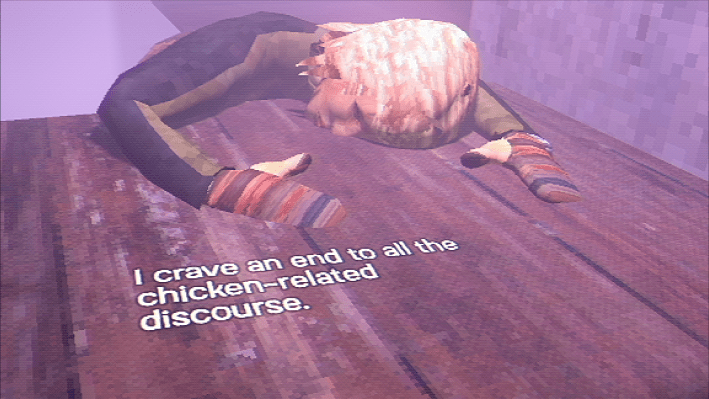
I’ve noticed in previous years that the lower entries on my list tend to be more oddball, experimental types of games. There’s a certain joy in a game that is kinda janky but is doing something interesting, and Arctic Eggs fits that archetype. It puts you in the shoes of a Poultry Prepper, someone assigned/condemned to cook eggs for the starving residents of an unnamed arctic colony managed by the Saint of Six Stomachs. Confused yet? Good, get used to that. Your interactions with the residents of the arctic dole out interesting tidbits about the state of the world but never fully pulls the curtain back, leaving you to fill in the gaps yourself.
Odd lore aside, the gameplay consists of you cooking eggs for residents by tilting your frying pan back and forth to generate heat. Of course, both sides of the egg have to be cooked so learning a good flip technique is crucial. You’ll often have jobs where the client throws in other items (tins of fish, cigarettes, bullets, and more) that add unique challenges to each dish. Experimenting with the difficulty settings gave me a chuckle; Hard makes your pan almost completely flat with minimal lip and Easy mode gives you what is essentially a wok. A+ way of implementing difficulty here.
One final thing of note - revisiting Arctic Eggs before finalizing this list reminded me of just how sharply-written and hilarious it is. Characters will have darkly humorous conversations with one another, launch into amusing non-sequiturs, and occasionally you’ll be rewarded with a little jig after filling their stomach. It’s a fantastic slice of the “nihilistic humor at the end of the world” trope.
13. Beyond Citadel
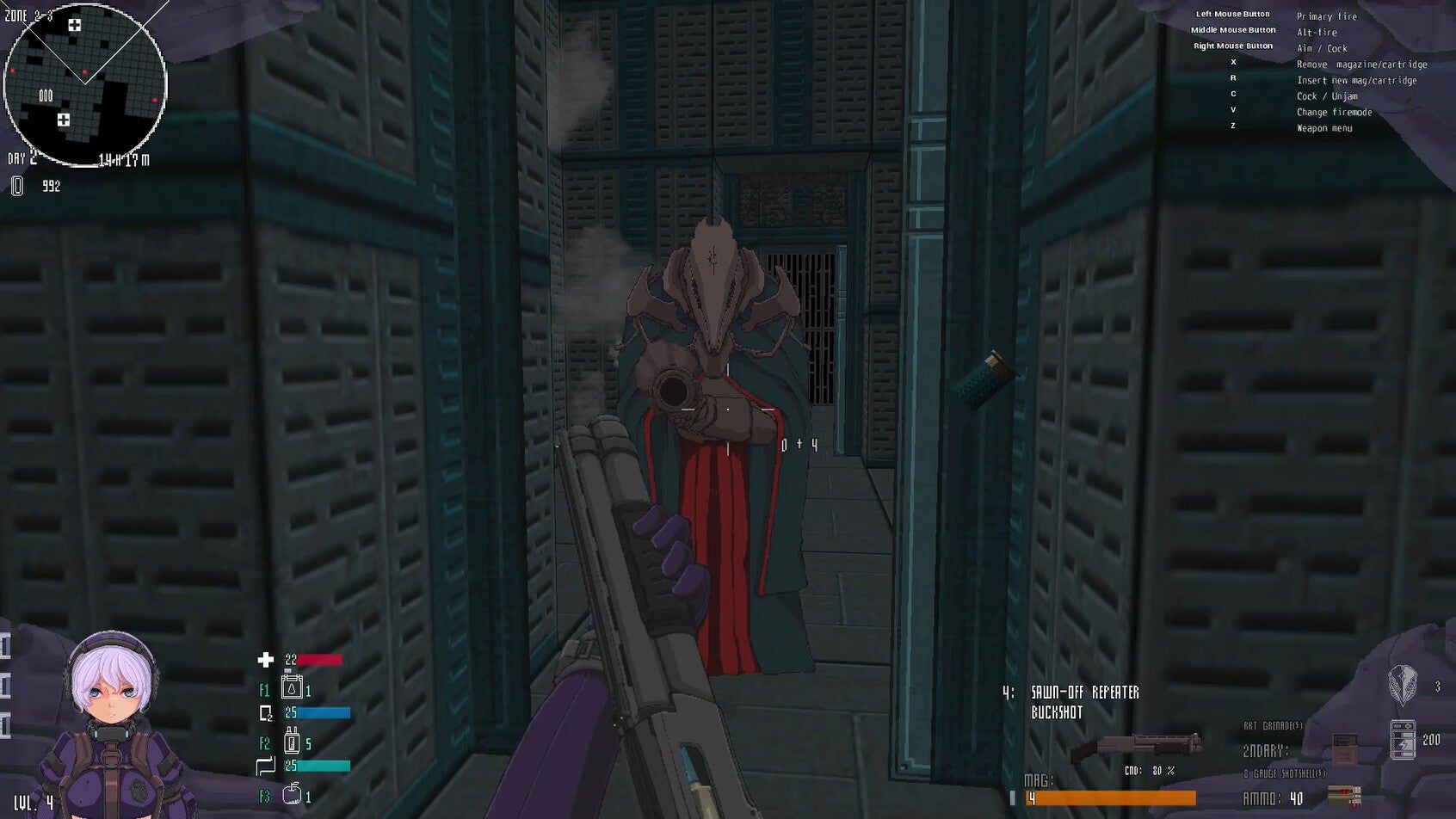
Continuing the run of oddball favorites, here’s another that I personally enjoyed but wouldn’t recommend unconditionally to everyone. It’s a boomer shooter (dislike that term tbh) in the style of Doom with complex gun mechanics, set in a futuristic anime setting. My hesitation to recommend it comes primarily from the fact that the gore and brutality against your cloned anime girl adversaries can be extreme at times, with downed enemies firing weakly at you while struggling to breathe or pieces of them being strewn about when exploded. The art, while featuring excellent linework and great character designs, also sometimes borders on H-game material (the later collectible art being particularly so). The gore and the majority of the nudity can be disabled in the settings, but some of the character outfits still make this a game you might not want to play around family.
If you can get past those initial caveats, what is here is one of the most interesting throwback shooters I’ve played in years. There are two separate buttons for reload and cock, and each gun uses both slightly differently. For example, when using the pump-action shotgun, reload will pull the gun up and shove a shell into it, and cock will pump the slide and prepare it for fire. Because the gun handling is more realistic than in your average shooter, you can also use techniques that also work in real-life like slamfire (holding the shotgun’s trigger down and racking the slide to fire rapidly). For guns with magazines, you’ll often have to make the decision between slowly reloading rounds into your magazine versus simply dropping it to the floor and popping in another one during an intense firefight. That layer of extra mechanical depth and decision-making adds something meaningful and engaging to a genre formula that has been static for some time. I’d love to see other similar games copy its homework in the future.
12. Baby Steps
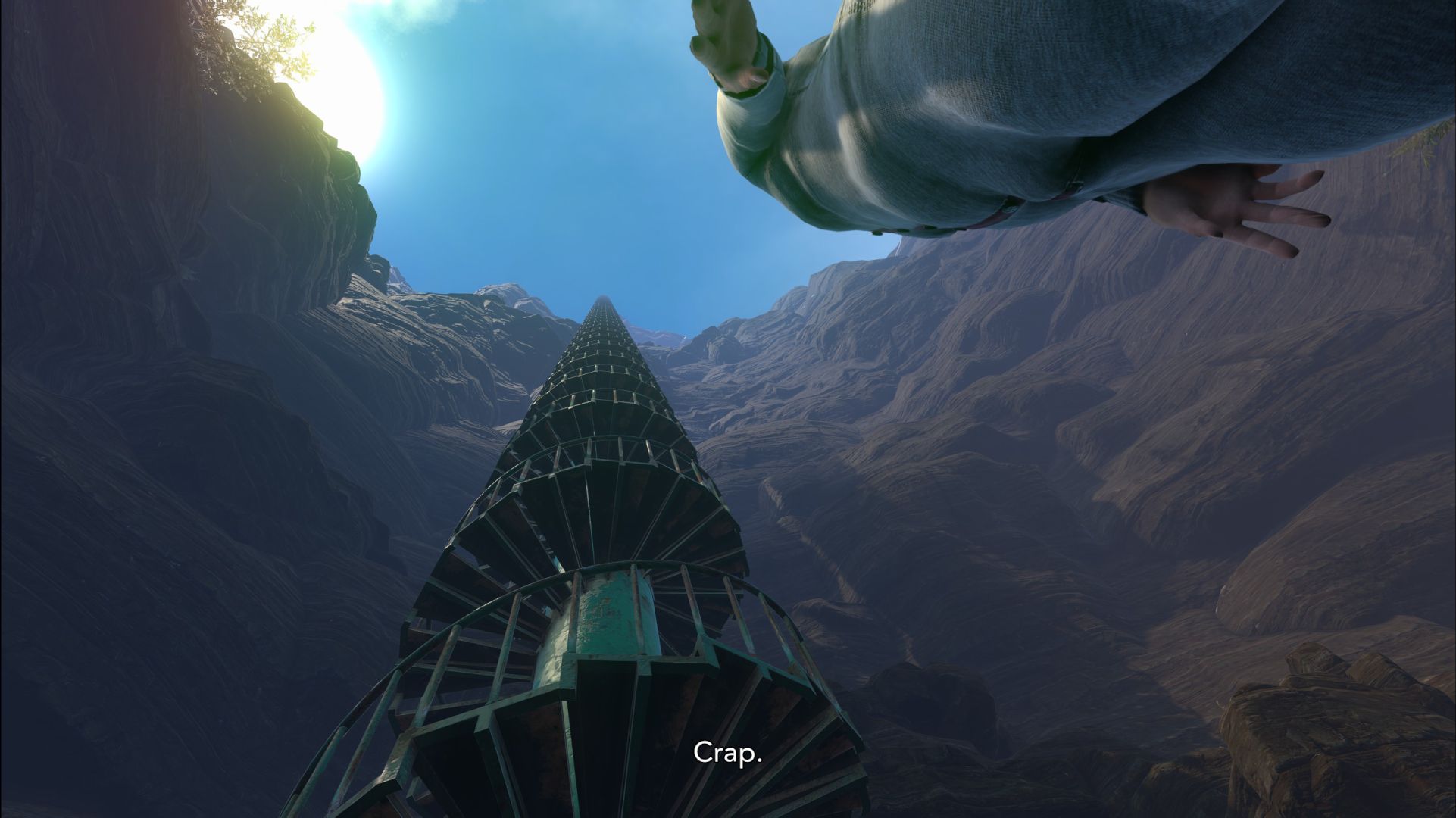
The sad sack protagonist of Baby Steps isn’t immediately sympathetic or relatable. In fact, the game presents him as a schlubby failson, eating pizza and watching One Piece in his parents’ basement. He can’t even put one foot in front of the other without considerable effort, which makes the task of climbing a treacherous mountain full of garbage a particularly daunting endeavour. Against all odds though, he eventually started to win me over and by the time the game rolled credits I was fully on Team Nate.
Baby Steps follows the trend of awkward-to-control protagonists in Foddy-like games, but I believe it’s far more approachable compared to his previous works such as QWOP and Getting Over It. It’s simple in concept but difficult to master : each trigger lifts a leg and the left stick is used to place them. You’ll fall - a lot at first - but gradually you develop a rhythm and moving Nate across uneven surfaces, rocky paths, sand, and ice becomes second nature. The critical path of reaching the top of the mountain is challenging but manageable, and if you want to really test your skills (and patience?), optional collectibles are here for you and BOY are they bastards to get. Fortunately, getting one often rewards you with an ad-libbed and often hilarious cutscene voiced by the game’s creators Cuzzillo and Foddy themselves.
I’m loath to spoil where the game goes, but thematically it deals with the challenges of existing in modern masculinity and the value of asking for help, which Nate seems pathologically incapable of doing throughout the game to comedic effect. If your tolerance for frustration and setbacks in games is high, I think there’s something unique and interesting to be found.
11. Citizen Sleeper 2 : Starward Vector
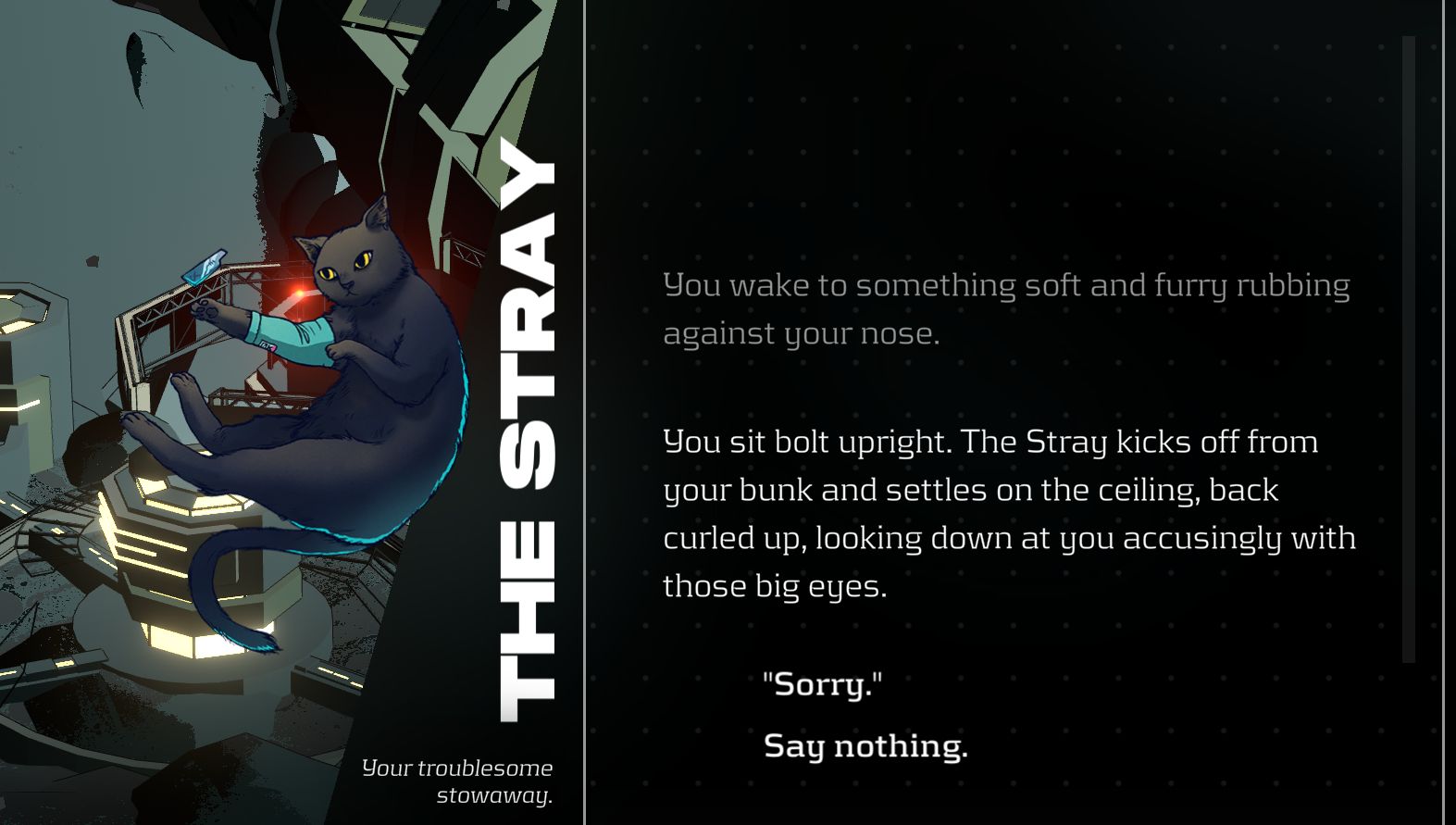
The original Citizen Sleeper is an all-time narrative banger and a piece of art close to my heart. It touched on themes of having a disability within an unaccommodating society, developing a sense of community and reliance upon others, and forgiveness and second chances.
Its sequel Starward Vector still maintains the sharp and concise writing and excellent characters, but takes a step forward mechanically. Both games rely on slotting in a set of six-sided dice rolled daily to perform various tasks to aid in your own survival. In the sequel, like the first, you are an emulated human consciousness in an android body fleeing from the corporation who claims ownership over you. Unlike the first, you are not primarily based in a single location but instead have a ship and a crew. You will jet about the system, taking contracts and tracking down leads to advance the main storyline. Each of your crewmembers excels at certain types of tasks related to their main statistics and can turn your lousy rolls into a fighting chance to accomplish something, and you’ll have to choose only two to take on a contract to supplement your own abilities.
This leads to a sequel that feels mechanically evolved from its predecessor, though narratively I will say I preferred the tight focus of the original’s story which was told within the confines of a single space station. It still gets a hearty thumbs-up from me, and I can’t wait to see what Gareth Damian Martin comes up with next.
10. Indiana Jones and the Great Circle (2024)

“Indiana Jones Immersive Sim” was not on my radar as something I ever really wanted, but as a longtime fan of the movies I was pretty much immediately captivated once I got into it. It features an interesting enough plot that wouldn’t feel out-of-place in an Indy feature film (and is probably better than the last two actual films, tbh) and has all the hallmark elements you’d expect from one: recovering stolen artifacts, putting fun fictional twists on ancient history, and of course braining an absurd number of fascists with various blunt objects. Give it a look if you’re a fan of the character, or of immersive sims in general. I had a great time with it.
9. Mars First Logistics
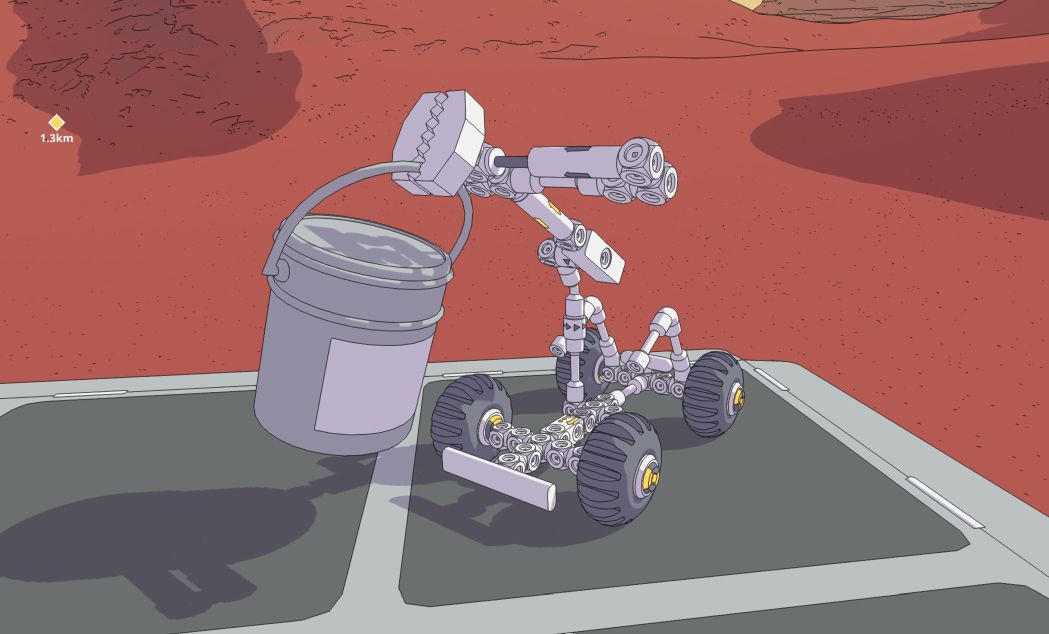
Yeah, I was one of those kids who played with Legos. Not the full kits so much (my family was not loaded), but I did have a giant bucket of assorted pieces that I would cobble together into buildings, vehicles, spaceships, whatever was fascinating me at the time. Mars First Logistics invokes the feeling of playing like a physics-based puzzle game that also integrates the joy of assembling some monstrosity out of whatever is on hand.
At its core, Mars First Logistics is a game about transporting oddly-shaped, awkwardly heavy, or fragile objects from point A to point B. You unlock new parts for your Mars rover as you finish contracts and your designs evolve over time to incorporate new parts and articulating joints. This may seem intimidating but the game does something brilliant in that it gives you some pre-fabricated designs to perform a specific task, but many of them are flawed in some particular way. Because of that, you end up making tweaks to the existing designs to solve these flaws and in effect end up teaching yourself a lot of the fundamentals of the game, which generalizes to anything you create in the future. Rebuilds are free and pull from your existing stock of parts, so you can always re-tool and make something incredibly specific but incredibly effective for transporting one good or another. I found myself enjoying it in the same way I enjoy a game like Satisfactory, but with the potential of added humor when some bugshit monstrosity rover you slapped together fails in a spectacular way. The part variety is great and the ceiling of complexity for designs you can create is shockingly high; just check the most upvoted posts in the Steam Workshop if you want to see some truly impressive stuff.
8. Keep Driving
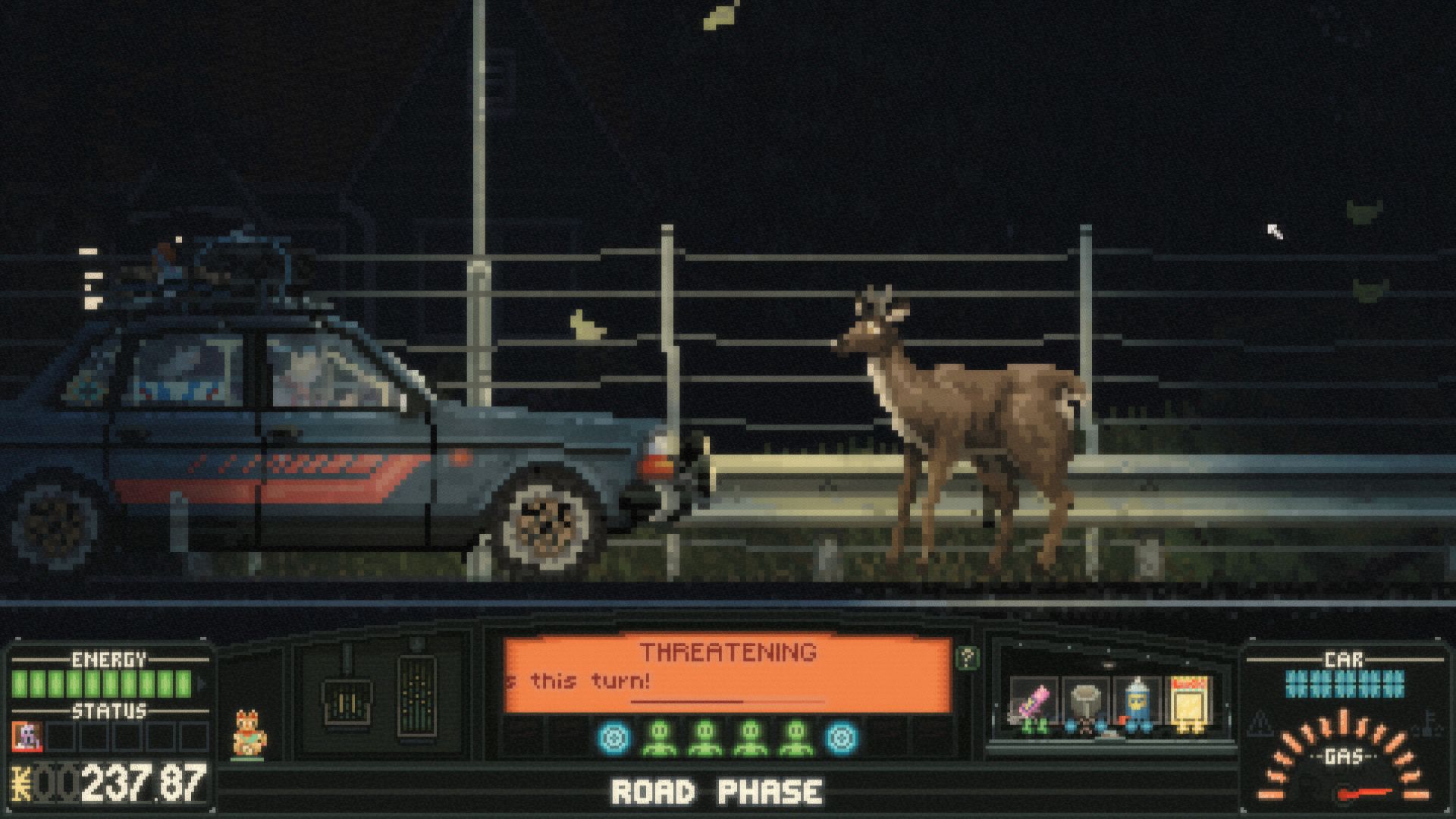
I think that anyone who’s played games for a while has a personal favorite that didn’t exactly light up the charts or sell like gangbusters, but has a certain indescribable vibe that resonates with you deeply. Keep Driving is one of those rare games for me, a fun enough game that is elevated into my personal pantheon of excellence by virtue of theme and presentation. It does an excellent job of distilling the feeling of being a young person who just wants to hit the road and be anywhere but here. You pick a car, a character background, and an objective, crank the tunes, and start solving some matching puzzles and managing your resources (car durability, gas, tiredness) carefully.
Growing up in a very rural and very non-walkable area of Pennsylvania, getting my learner’s permit at 16 years old was incredibly freeing. Once I finished my requisite hours with one of my parents in the passenger seat and got my junior license I immediately became the chauffeur for my friend group by default. My ride was a hand-me-down 1999 Chevy Lumina, a tank of a sedan my friends eventually took to calling the “Red Fury.” I vividly remember one night when I was driving home from my high school girlfriend’s house doing 55 miles per hour on a dark county route, when a massive deer leapt out of the darkness and into the road ahead of me. With no time for me to react, the car barrelled into the deer which bounced violently off the hood and was flung off the opposite side of the highway. Panicked, I pulled over and checked the status of the deer (it did not survive the collision) and then checked the hood of the car which had no damage beside some chipped paint. It survived several incidents like that which created an air of legend around it, but ironically after we sold it to a neighbor in the late 00’s her daughter totaled it within the span of a month (fortunately she walked away totally OK). Wildlife collisions and its later fate aside, it also played a supporting role in a lot of my best memories from my hometown. During the summers my friends and I would load up our massive desktop PCs and CRT monitors in its trunk and have a roving mini-LAN Party (ah, to be nerds in a time when the internet kinda sucked), posting up in one friend’s basement or living room for a few days and then moving onto someone else’s house before we overstayed our welcome. I have such fond memories of those times, as well as the handful of occasions when we’d make a longer road trip to one of the nearby cities that actually had worthwhile things to do. I loved that car for what it represented and all the fond memories associated with it.
Keep Driving captures the feeling of automobile wanderlust immaculately, the need to strike out on your own and make your own unique experiences with the fresh eyes of youth. The gameplay is pretty straightforward but it gives you lots of choice in terms of where to go, what pace to set, and even which ultimate objective you want to chase to end your run. You might run in a rally race, or take a cross-country trip to visit your ailing grandmother, or stick to the default path of attending the big concert all your friends are going to. Maybe it’s simply precision-targeted at my own nostalgia, but I still believe the game captures something really unique for a video game.
7. Blue Prince
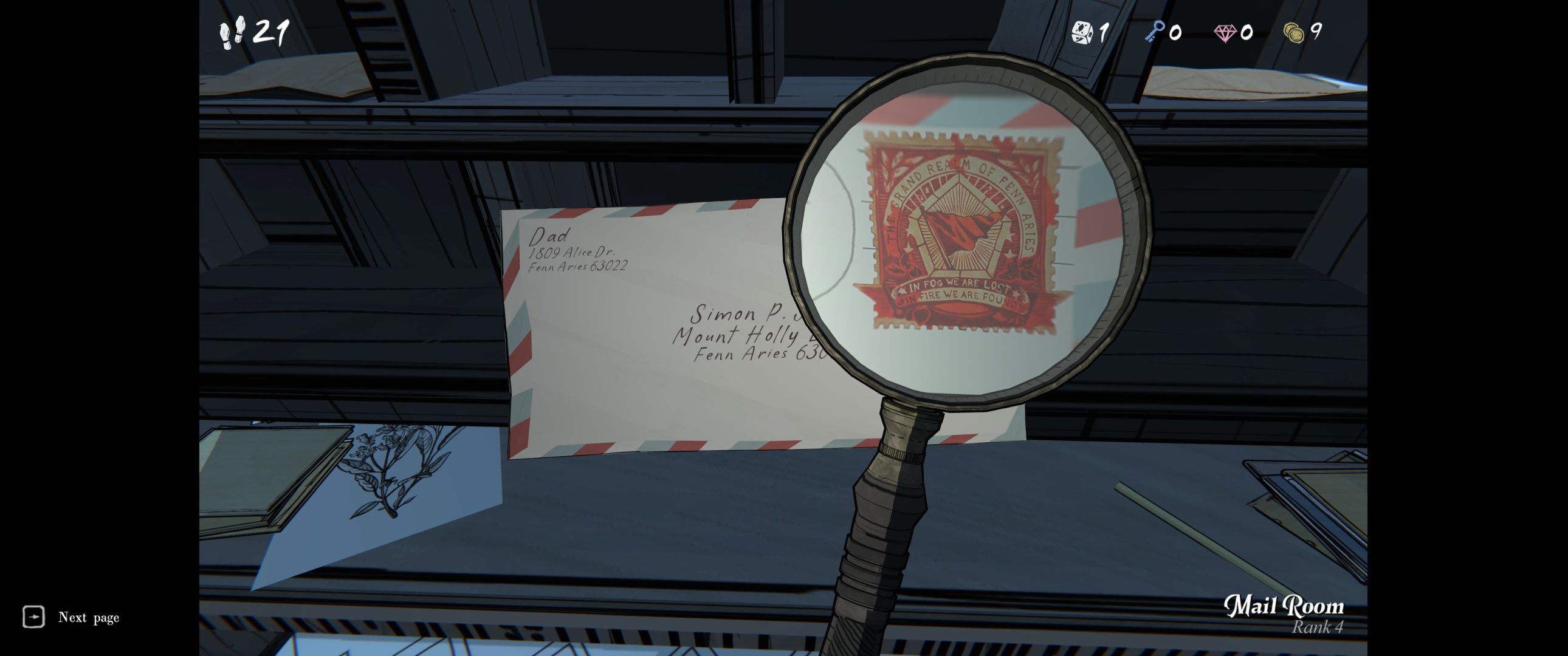
Puzzle gamers have been eating good in the last few years. There are so many great puzzle titles releasing that playing all of them has been an impossible task for me (I’ll get to Golden Idol, Seance of Blake Manor, and Lorelei and the Laser Eyes eventually). But the one that I did play and made my entire month of April disappear into a fevered haze was Blue Prince.
On its surface, Blue Prince is a curious combination of a puzzle game and a roguelite. You draft 3 different floorplans whenever you open a door in the mansion of Mt. Holly, and that room gets placed on a 5x9 grid of the mansion which you fill in over the course of a run. But Blue Prince is far deeper than it initially seems, eventually revealing some truly absurd meta-puzzles which, when solved, break the whole game wide open. You eventually come to know Mt. Holly, its various rooms, and how they interlock on a deep level, and that mastery allows you to gradually bend the randomness of the roguelite structure in your favor. One early meta-puzzle in particular had me putting an array of various screenshots into MS Paint and annotating them with red text like some sort of mad conspiracist wielding red string. The madder part, however, was that I was actually on exactly the right track and it unlocked several new areas and gave me clues for the next set of puzzles. It is chock-full of well-hidden secrets and obscure interactions; it rewards creative thought and careful observation.
Blue Prince is the type of game I’ve seen others refer to as a “notebook game,” one where keeping meticulous out-of-game notes and organized screenshots pays dividends. For certain that’s not for everybody, but if you are that kind of dedicated puzzle sicko there’s a very good chance this game is laser-targeted at you. Developer Tonda Ros took almost 8 years to develop it; looking at it initially your thought might be “it took EIGHT years to develop this?” but after getting waist deep into its mysteries that thought will certainly morph into “it ONLY took eight years to develop this?”
6. Hades II
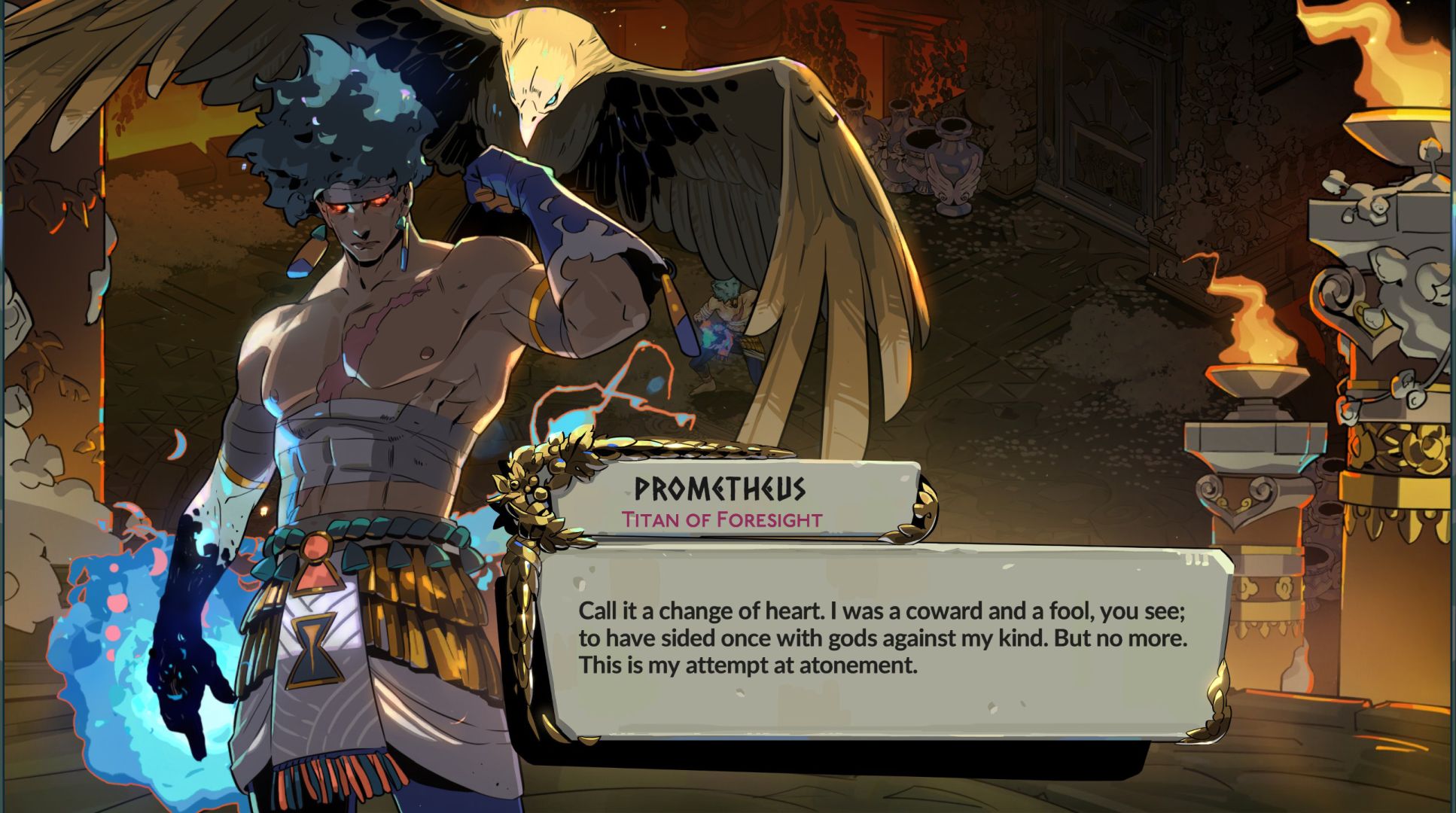
Anyone that truly knows me knows that I am not an especially excitable person. Even when experiencing joy and satisfaction, it takes something truly momentous to get me to audibly or visibly react to something with excitement. So all that having been established, seeing the Hades II trailer for the first time made me pop the FUCK off, standing up out of my chair and saying “holy shit, it’s a sequel?”
Once early access launched I followed my usual protocol of buying it, playing a bit, and then sitting on it until the final release. I’ve since finished the game (though haven’t hit the epilogue yet), and I’m happy to report that Hades II is a very competently-made and satisfying sequel, even if not all elements of it are a slam dunk. Mechanically it more than justifies its existence, adding a whole new set of weapons, a changed Cast that allows for crowd control, and charged Omega Attacks that add variety to the combat. The design of the god boons and how they synergize is as good as its predecessor and perhaps better in some ways. The presentation is fantastic, with Supergiant’s art design being as sharp as ever and composer Darren Korb’s soundtrack exploring new subgenres and blowing the doors clean off during the game’s tense boss fights.
There has been much, much discourse about how the game ends and how people have been displeased with it. Without going into spoilers, I do think that the ending suffered from a lack of appropriate setup even though thematically I think it fits well with the themes of the first Hades. I’m not dramatic enough to say that it ruined the game for me (many people have already gone there), but I found its ending to be moderately weaker when compared to its predecessor. If you enjoyed the first game I still recommend Hades II without hesitation.
5. ARC Raiders
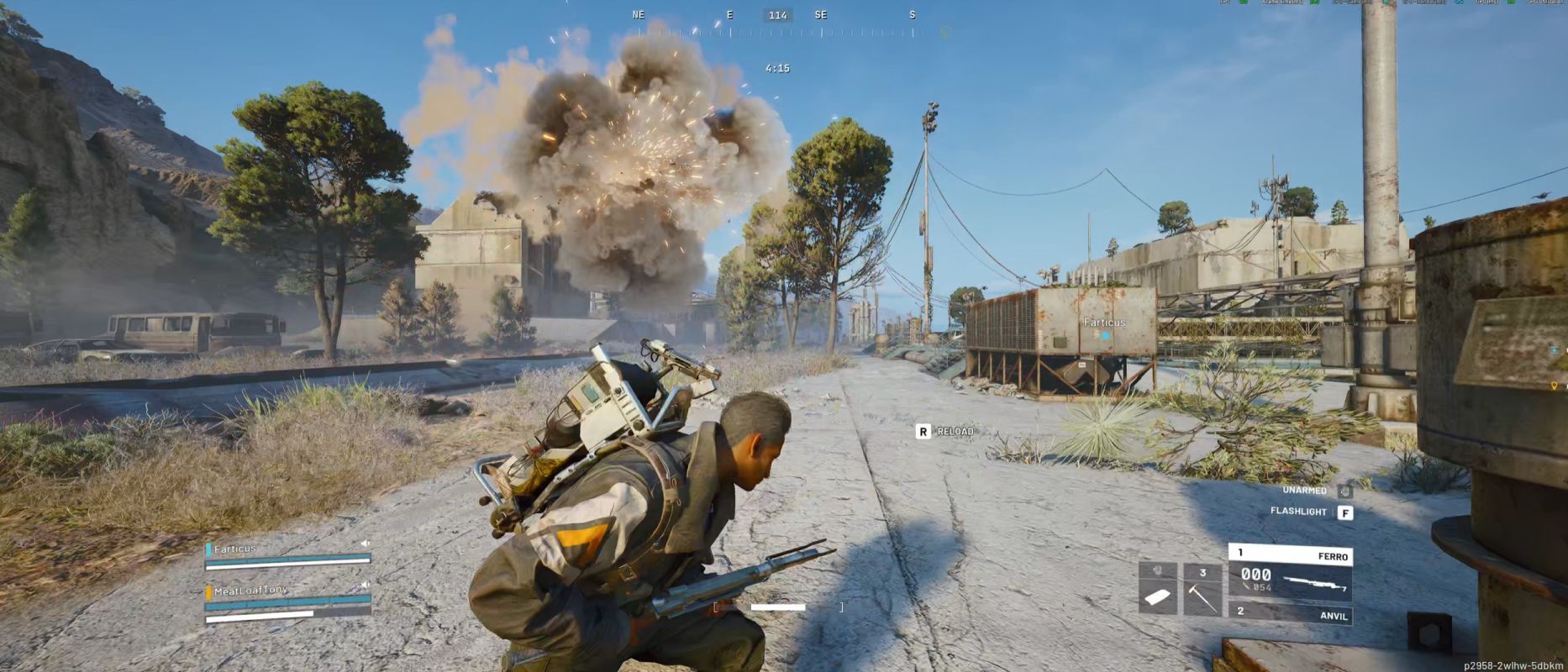
A late addition to this list, ARC Raiders climbed positions rapidly until finally breaching the top 5. It must be noted that this is a PvPvE Extraction Shooter, a genre I typically have no affection for. There are people in my life that have pitched Escape From Tarkov to me on multiple occasions to absolutely zero success. Despite that, the game’s excellent retro-futuristic post-apocalyptic aesthetic and the fact that my friends were interested in squadding up and giving it a try ultimately won me over.
The first thing I’ll say is that the game can be damn confusing at first. There are several currencies and a boatload of different bits, bobs, and doodads to loot that all serve different purposes. The first few hours can be merciless as other players can choose to ruin your day by sniping you from a vantage point or rushing you down as you desperately try to extract with your pack full of scrap metal, old world souvenirs, and various fruits and fungi. Once you get the lay of the land and the game’s systems start to click though, what is there is a thrilling and fascinating sandbox where individuals or small squads come into conflict while trying to chase loot, complete quests, destroy the robotic ARC, or simply hunt other raiders. This is one of those very systematic games that is a machine purpose-built for generating memorable interactions and clippable moments; you need only to look at gaming TikTok or Instagram to see how much this ARC Raiders has taken off. ARC Raiders is far more approachable and far less punishing than any of its contemporaries or predecessors in the genre and creates a great tension between the threat of the deadly ARC machines and the threat of another player convincing you they’re friendly and then ruthlessly shooting you in the back and looting your pack for a pistol, a rubber duck, and a handful of olives. It definitely isn’t for everyone, but it 100% deserves the moment in the sun it’s having right now. In a less stacked year, I think this could have made my top 3.
4. Dispatch
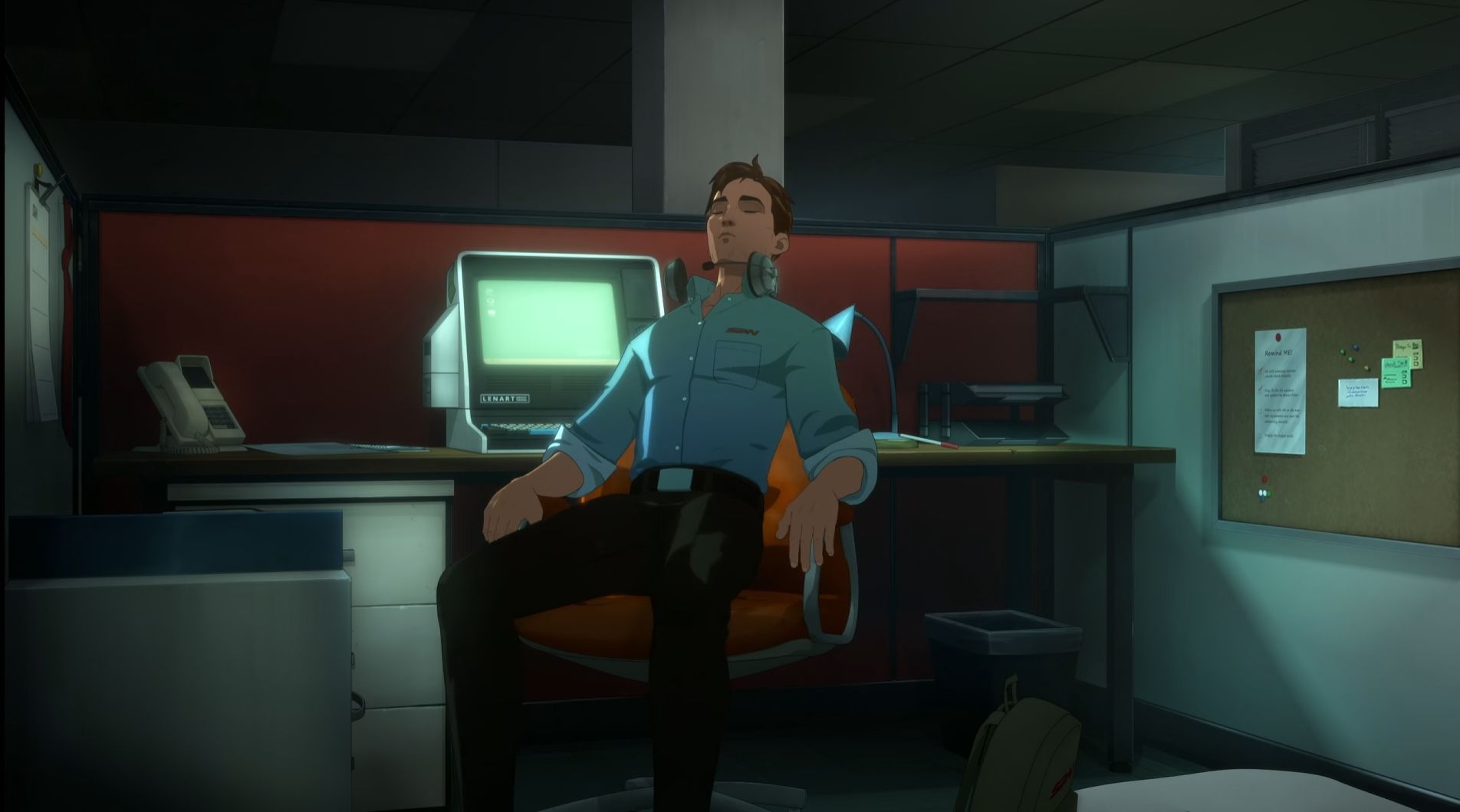
In one of the later Chapters of Dispatch, a sudden emergency forces the main character and superhero dispatcher Robert Robertson III (yes that is his real name) to call in his team of misfit ex-villians-turned-heroes to deal with the situation in the dead of night. One, the demoness Malevola, drops in late and apologizes because her phone was in DND mode. Another, the hulking rock beast Golem (voiced by rapper Yung Gravy) shows up high out of his mind on gummies he took to fall asleep and tells the team in his slow gravelly voice “Okay but, just so you y’all know, I don’t think I’m makin’ memories right now.” Dispatch is full to the brim of incredible character moments just like this.
Telling a story that stands out and feels fresh in the already-crowded superhero genre is a difficult task in 2025. Though properties like the MCU movies and Amazon’s The Boys ostensibly share the same genre, they couldn’t differ more in both intention and tone. You would think that we’ve seen the full gamut of superhero stories that can be told, but Dispatch truly does feel like it’s something unique with its angle of superhero workplace comedy. It manages to be both earnest and mature in its storytelling, featuring many laugh-out-loud moments and emotional gut punches. The stacked voice cast turns in phenomenal performances and features Breaking Bad’s Aaron Paul as the main character alongside veteran voice actors and streamers, musicians, and influencers. Even if you suffer from superhero fatigue like me, I think Dispatch is a breath of fresh air.
3. The Alters
Where Keep Driving was all about capturing a very specific experience of youth, The Alters instead explores something that I believe to be universal for every human on earth: the experience of pondering the “what-ifs” of life. What if you’d never met the person who’d become your partner or spouse? What if you’d chosen a different major in college? What if you’d never left your hometown or had a different relationship with your parents? The possibilities are endless and the act of thinking about them makes one realize that had any individual decision or stroke of luck gone differently, life could be unrecognizably different from the one you know. It’s a pretty humbling thought.
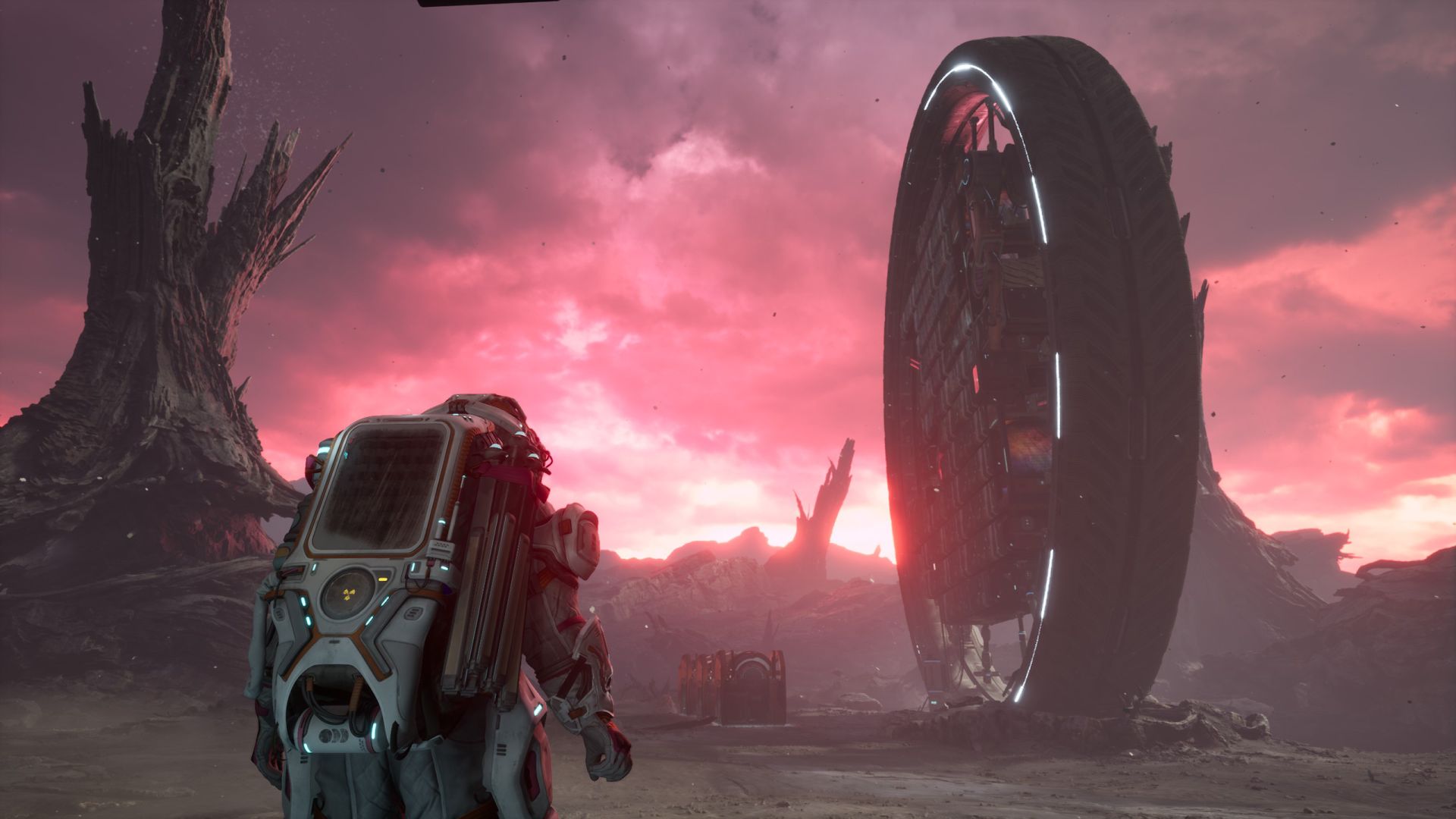
I’m a sucker for this sort of navel-gazing introspection and thinking about the possibilities. The Alters uses this to craft a sci-fi narrative that brings its main character (literally) face to face with many of these possibilities. Jan Dolski is a crew member on a deep space expedition to find a rare element called rapidium that could forever change life on Earth. It is unique for its properties that, when harnessed, allow organisms to grow and develop in a matter of hours rather than years. Jan awakes from deep cryosleep to find that he is the only survivor of this doomed expedition, having crash-landed on the surface of an alien planet and lacking the crucial know-how needed to repair or operate the giant wheel-like mobile base the group was intended to use for exploration. Out of necessity he uses the base’s quantum computer and some extracted rapidium to create an alternate version of himself that has a simulated alternate life path and the crucial knowledge that can help him survive. This alter, the technician, is only the first of many he will need to create. All of Jan’s Alters awaken with memories of a full life lived up until this point even though they never actually existed in this world. Some Alters share a common life path with Jan Prime until relatively late in his life, while others deviate much earlier during his childhood and are almost unrecognizable if not for the shared genetics and some mannerisms. They work together (sometimes reluctantly) in the name of surviving and returning rapidium to Earth.
It’s fascinating stuff, but I also found the layers of light base management, exploration, and socializing with your alters to be engaging. Keeping everyone fed and happy is a paramount concern, but you are forced to balance that against the ever-pressing need to keep the base in top shape and moving fast enough to stay ahead of the deadly radiation emitted by the nearby star. Some alters may be upset with your choices or the things you say to them and refuse to work, forcing you to adapt to ever-changing circumstances and make some agonizing decisions in the name of survival. The conversational layer and the game’s mechanics work in harmony and are consistently surprising from chapter to chapter. Praise must be given to the script and voice actor as well; each version of Jan feels distinct with their own personality quirks and inner demons to overcome. If this sounds at all interesting and you’ve ever asked yourself those “what ifs,” I’m practically begging you to check out The Alters, because in a year full of other incredible games it doesn’t seem like it’s gotten nearly enough accolades.
2. Hollow Knight : Silksong
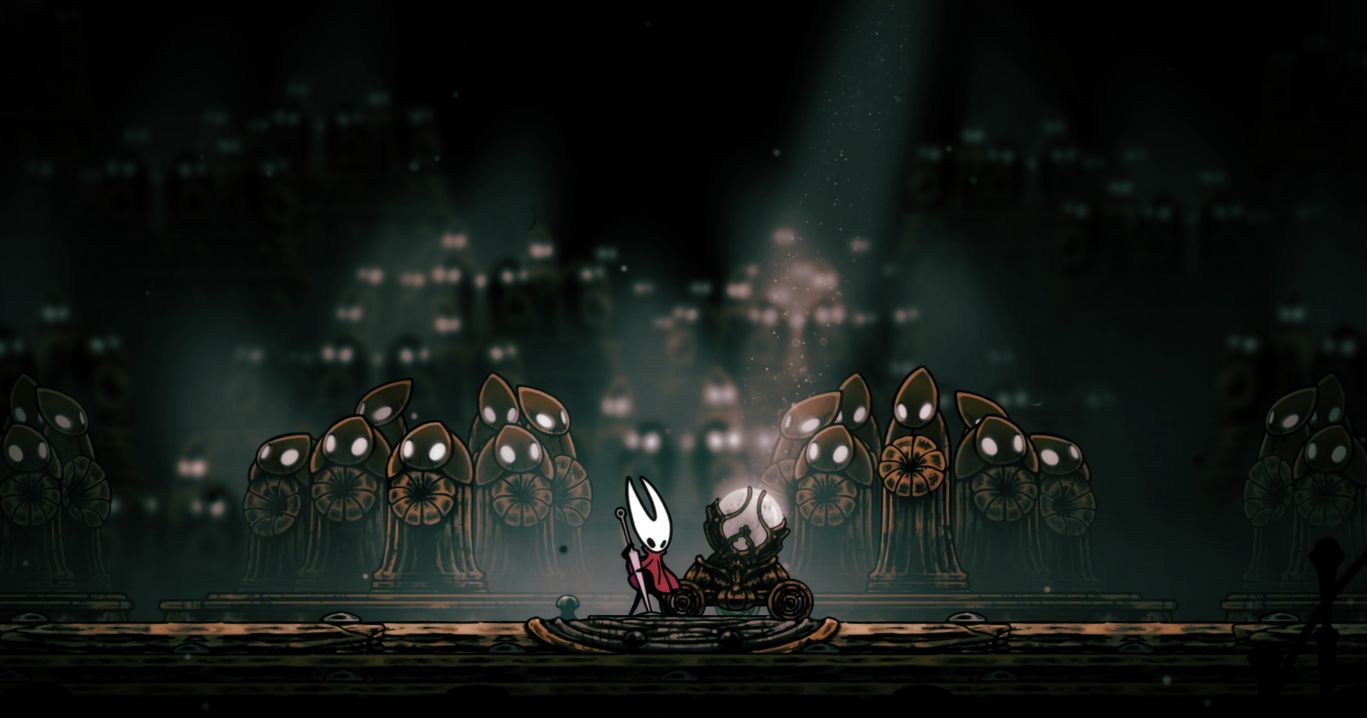
And here we are, at the only other game that realistically could have taken the top spot on the list this year. I enjoyed the original Hollow Knight well enough for sure. I thought it was a great game and among the top echelon of Metroidvanias. But where I was content to say Hollow Knight was great, I’m inclined to say its sequel Silksong is a masterpiece.
Silksong was originally envisioned as expansion content for the original game, (“Hornet DLC When?” was a common refrain in the game’s community) and its admittedly rough initial difficulty curve probably speaks to that. As a protagonist, however, Hornet is distinct from her predecessor both mechanically and from the angle that she actually has dialogue and her own thoughts that she expresses to the residents of Pharloom. She is far from the empty vessel that her predecessor the Knight was. This serves to make the game’s plot and worldbuilding less obtuse and more accessible. After a few early ability upgrades Hornet comes into her own as a playable protagonist, dashing across the expansive and beautifully-drawn areas of the underground and striking foes quickly and acrobatically. The work done to make her moveset gel with the level design is obvious from just how good it feels to navigate the map, and there are tons of well-hidden secrets to find that will reward close attention to the environments.
As I alluded to earlier, Silksong is not an easy game. Many have expressed frustration with the initial difficulty curve and how difficult certain bosses can be, but this is the kind of challenge a platformer sicko like me relishes. I’m glad they stuck to their vision and didn’t compromise, even though that will likely cause some people to bounce off of it. At times it feels like a fast-paced 2D soulslike and mastering the boss encounters was extremely satisfying. There are rare encounters in some games that force you to lock in and eventually reach a state of blissful harmony with the game. When that happens, suddenly the boss that was previously bullying you isn’t hitting you anymore. The download is complete and you dodge deftly and strike back viciously. Your foe lies defeated and you’re left with a flood of endorphins as you come down from that trance-like state. That feeling cannot be beaten. Most games are lucky if they achieve even one or two of these moments; Silksong had enough that I’d really have to think about it to come up with a grand total, definitely more than I could count on one hand. I don’t often play games to 100% completion, but it was achievable enough that I did it here and don’t regret that time spent in the least. I truly didn’t want it to end. Bravo to Team Cherry for delivering something amazing, it was well worth the 7-year wait.
1. Clair Obscur : Expedition 33
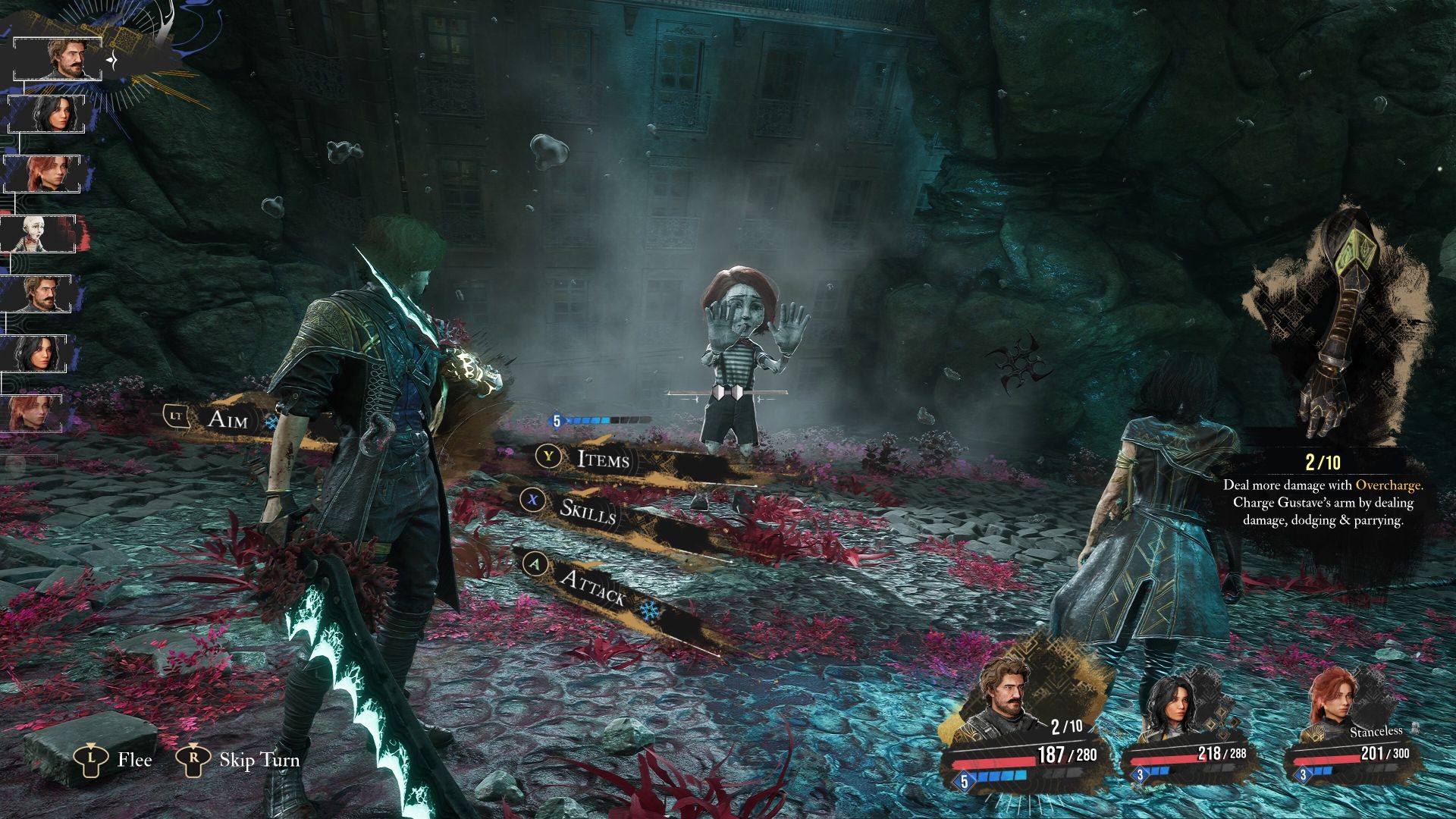
At the time of this writing, Clair Obscur : Expedition 33 has just swept every award it was nominated for at the Golden Joystick awards (including Ultimate GOTY) and is currently the favorite to also win GOTY at The Game Awards, to the point where people are jokingly referring to this year’s awards show as “The Clair Obscur Awards” (Update : the prophecy is fulfilled). So is this game actually deserving of all the hype and accolades?
If its position at the top of this list didn’t already make that apparent, the answer is an enthusiastic YES. When making an end-of-year list there’s a normal human tendency (recency bias) to more highly rate things that are fresh in the memory. E33 released in April of this year but it made such an immediate impression that it shot immediately up to my #1 spot and it was going to be hard to knock down. A few strong contenders came along during the rest of 2025 but in the end, none succeeded in unseating the king.
E33 succeeds by being set in a world that is wildly creative and truly unique, a vision of warped Belle Epoque France that is colorful and novel. From the jump it wins you over with its excellent worldbuilding, believable characterization, and deep humanity. The backdrop is a beautiful but slowly-dying world in which the oldest of humanity are erased from existence in a shower of petals by a demigoddess called the Paintress, and the age of erasure ticks down mercilessly every year. I cannot stress enough how masterful the worldbuilding and character development is even in the first 30 to 60 minutes of the game. I typically start any game expecting it to be kind of a slog while the necessary exposition, character introductions, and tutorials are spoon-fed to me. I always try to give a game some grace in the opening hours based on that expectation. This grace, however, was not necessary for Expedition 33. The world and characters captivated me almost immediately, and the combat starts engaging and stays engaging by introducing active parrying and a build customization system that continually opens up and gets more involved as the game progresses. The narrative is perfectly-paced, not overstaying its welcome and wrapping up perfectly in a package half the length of most big-budget RPGs. And that’s not even commenting about how gorgeous the game is visually, or how the soundtrack elevates the mood with its wistful melodies and soaring, layered vocals. Although very different mechanically, in presentation and theme it reminds me a lot of another favorite of mine, Nier : Automata (and that comparison is VERY high praise).
I had a very active imagination as a kid. I also voraciously consumed game previews and concept art, which resulted in me often extrapolating and expanding upon those images I saw, dreaming up complex systems and beautiful graphics that were far beyond the realistic capabilities of hardware of that time. I think a good example is this particular concept art for Final Fantasy XIV’s Realm Reborn overhaul with its dynamic action, rich colors, gorgeous UI and soft cinematic depth of field. It’s gorgeous without a doubt but the final result was of course something much more practical and achievable by the dev team. Those games that sparked my imagination frequently DID end up being excellent, but never quite lived up to my imagined ideal. Clair Obscur, however, looks like it could have fallen out of one of these teenage daydreams. It is art in motion. The care put into every UI flourish, every bombastic animation, and every line of the excellent voice performances is immediately apparent. I recently saw someone on social media describe Une vie à t’aimer, a piece of music a late boss encounter is set to, as potentially being this generation’s One-Winged Angel and honestly I can see the merit in that.
So yeah, Clair Obscur : Expedition 33 is my #1 game of 2025 without a doubt. Typically I’m kind of annoyed whenever a single game sweeps multiple award categories (tons of other great games deserve recognition!), but E33 is completely deserving. I can’t wait to see the works of art that follow and are inspired by Sandfall’s masterpiece. For those who come after.