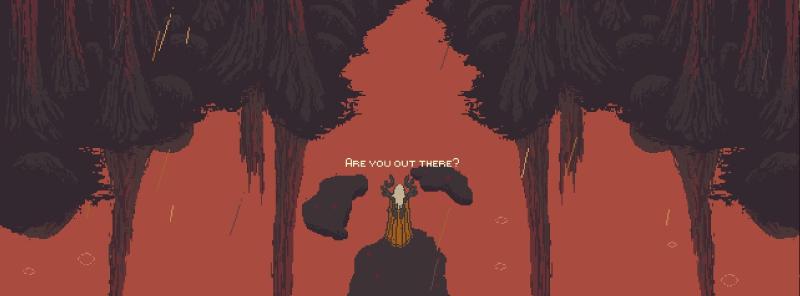
I’ve never fully been able to put my finger on why, but using the term “deckbuilder” when describing a game has historically been a surefire way to make me immediately lose interest in it. Despite having several friends that were into Magic the Gathering and other collectible card games, I never personally got into them. I think primary hangup on these types of games might have something to do with the mental effort necessary to craft a cohesive deck out of so many options, but also from needing to juggle the mental load within a game, running the mental probabilities of getting a card from my draw pile that might make a specific tactic work. Maybe that’s not strictly necessary for casual play, but I have the type of personality where when I commit to a new hobby or game I have a deep need to be good at it.
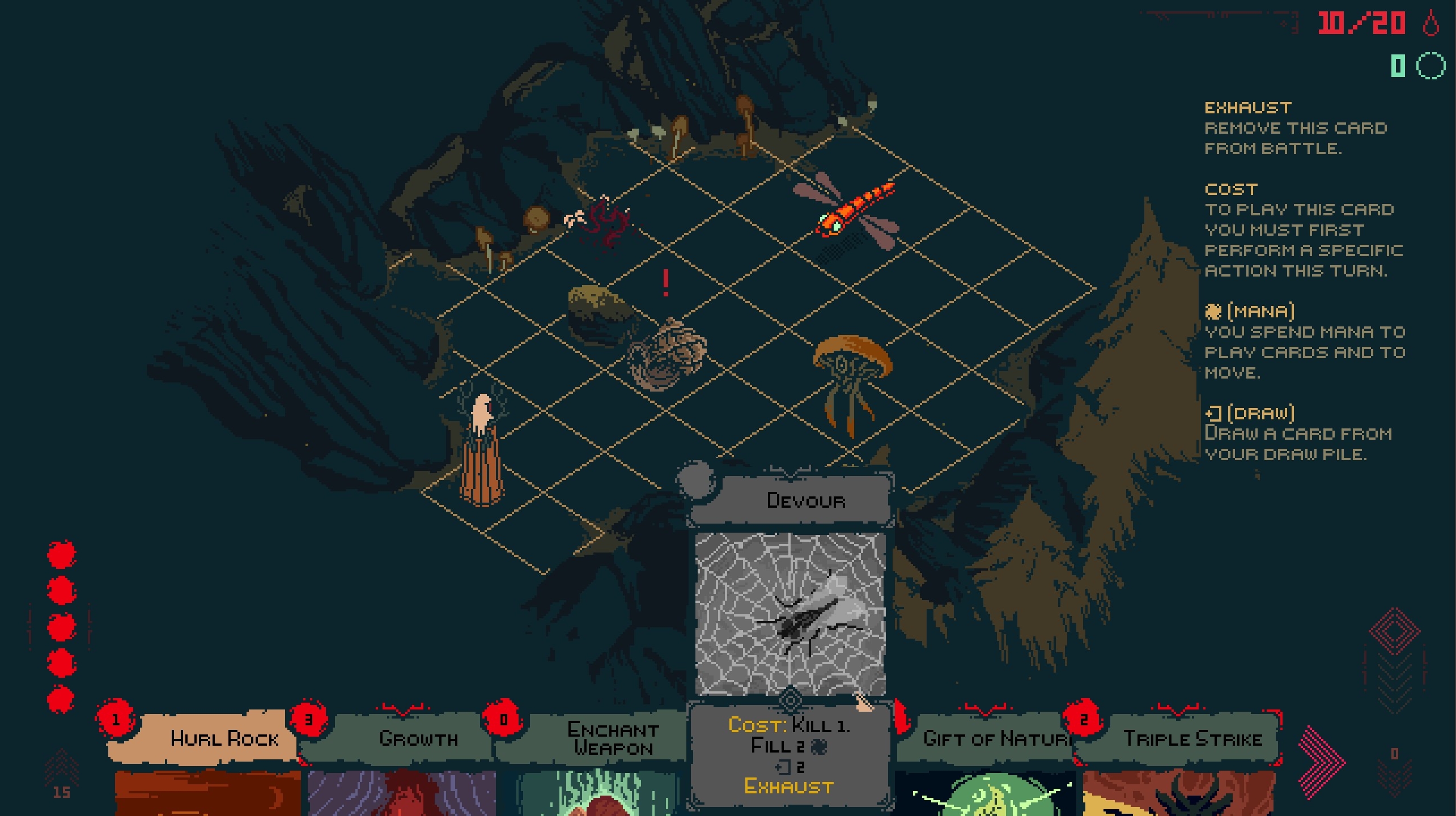
Death Howl is one of the rare games that has been able to push past my reluctance to engage with deckbuilding games and even ended up being one I truly loved. It describes itself as a “soulslike deckbuilder,” a combination of genres that I can’t say that I’ve seen before. I’d personally describe it as a grid-based tactical deckbuilder game with soulslike elements; sometimes I do feel as if the soulslike label is simply overused as shorthand for a difficult game but I do see other parallels that I’ll touch on later.
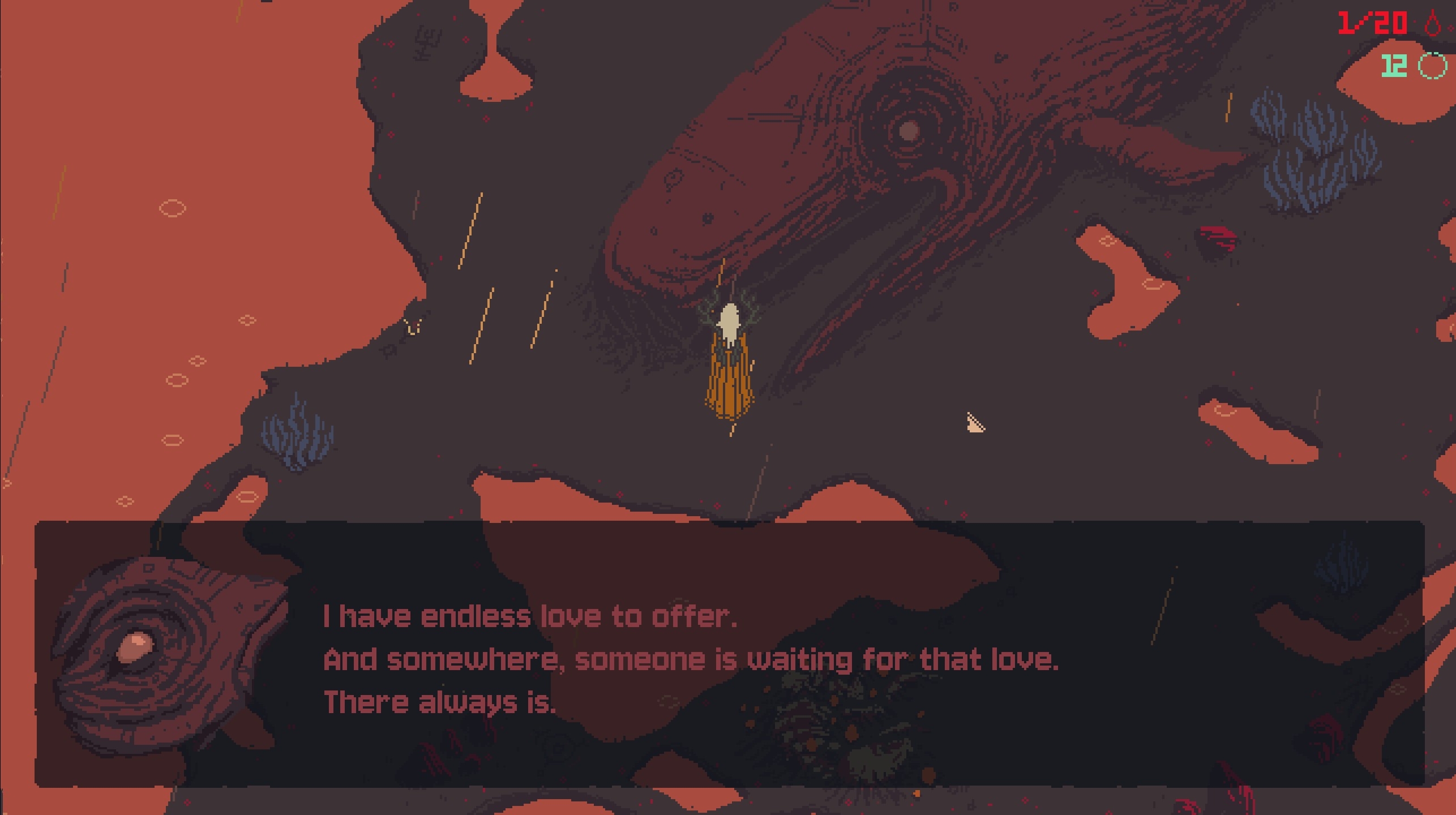
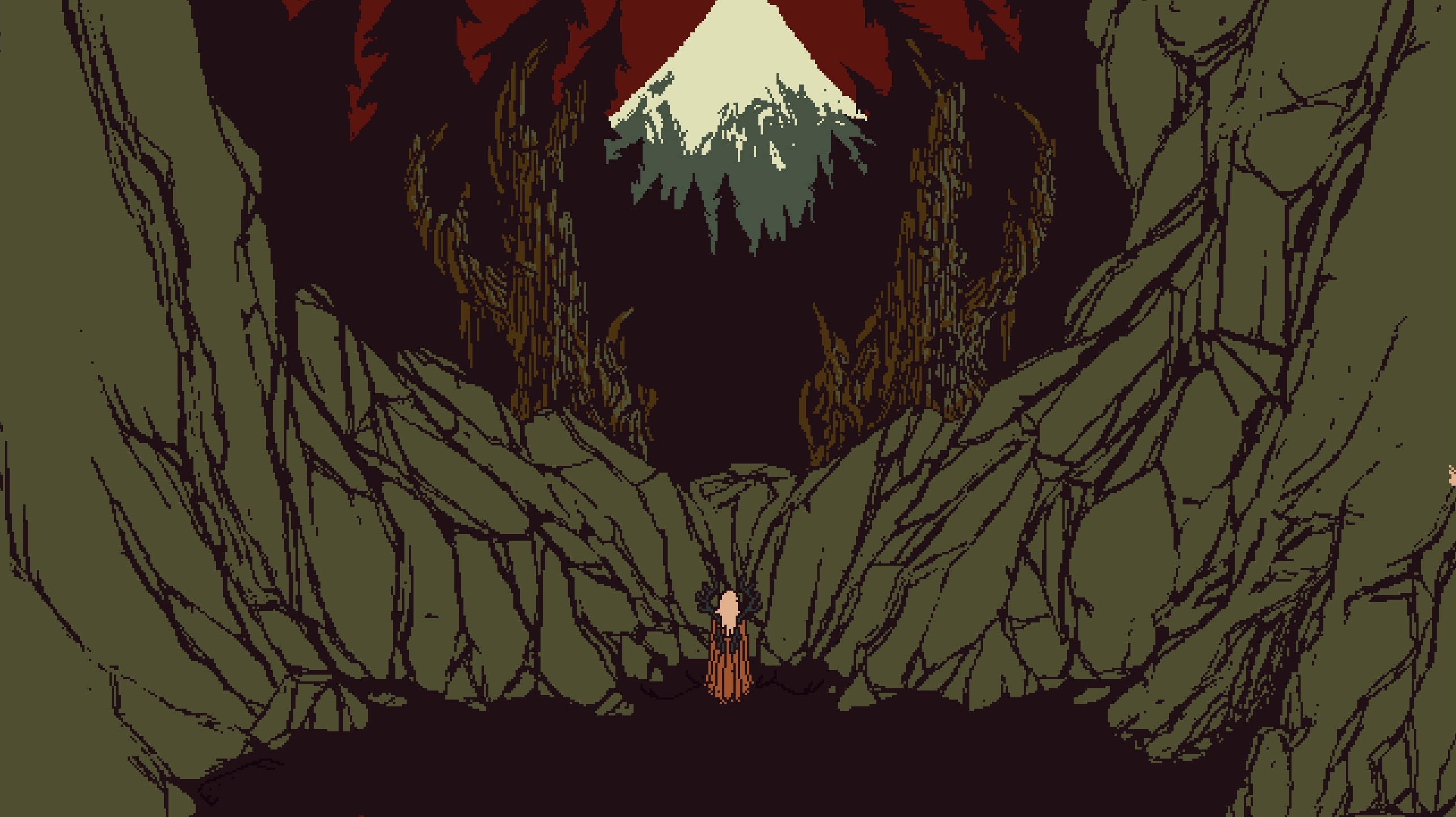
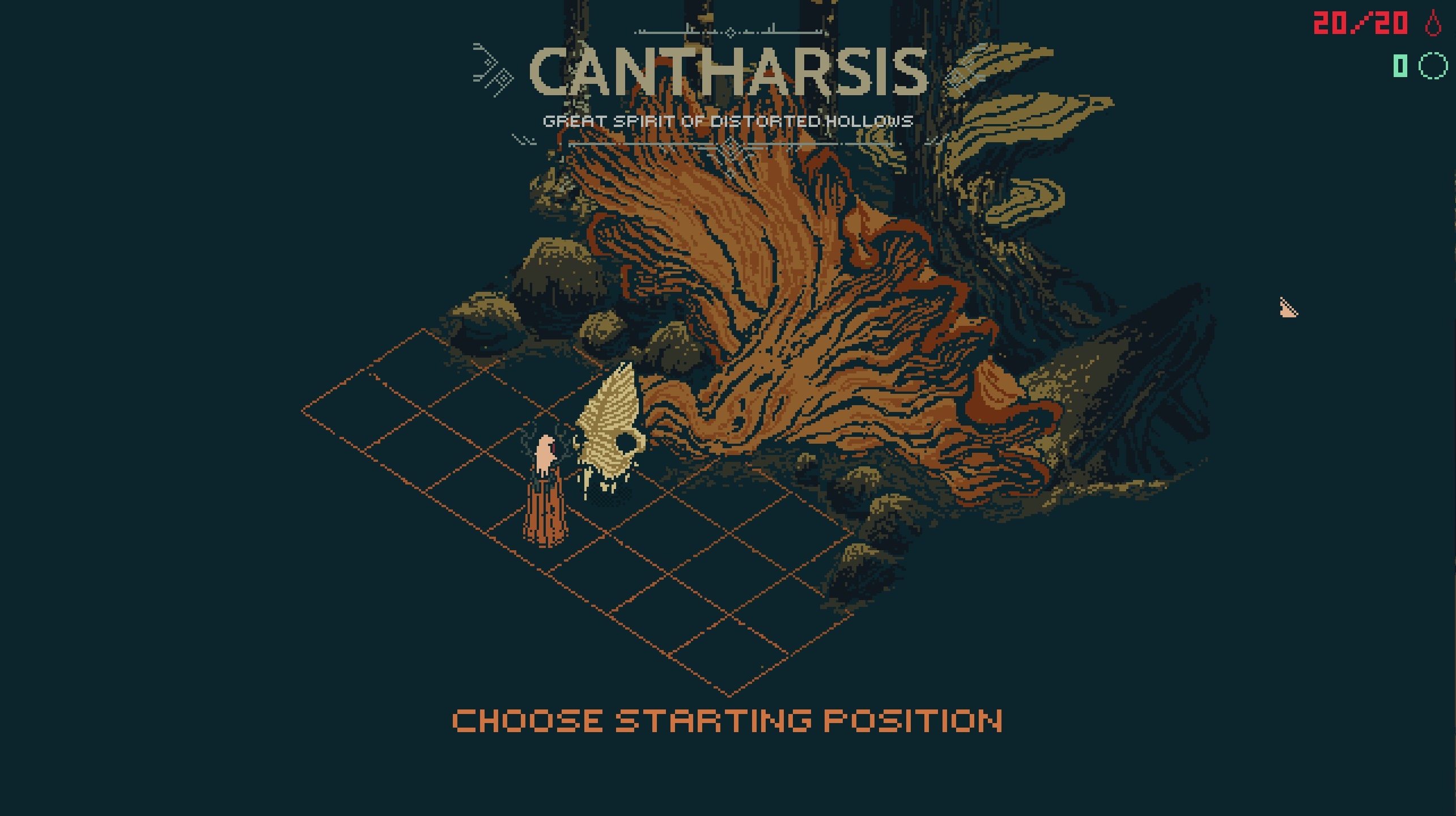
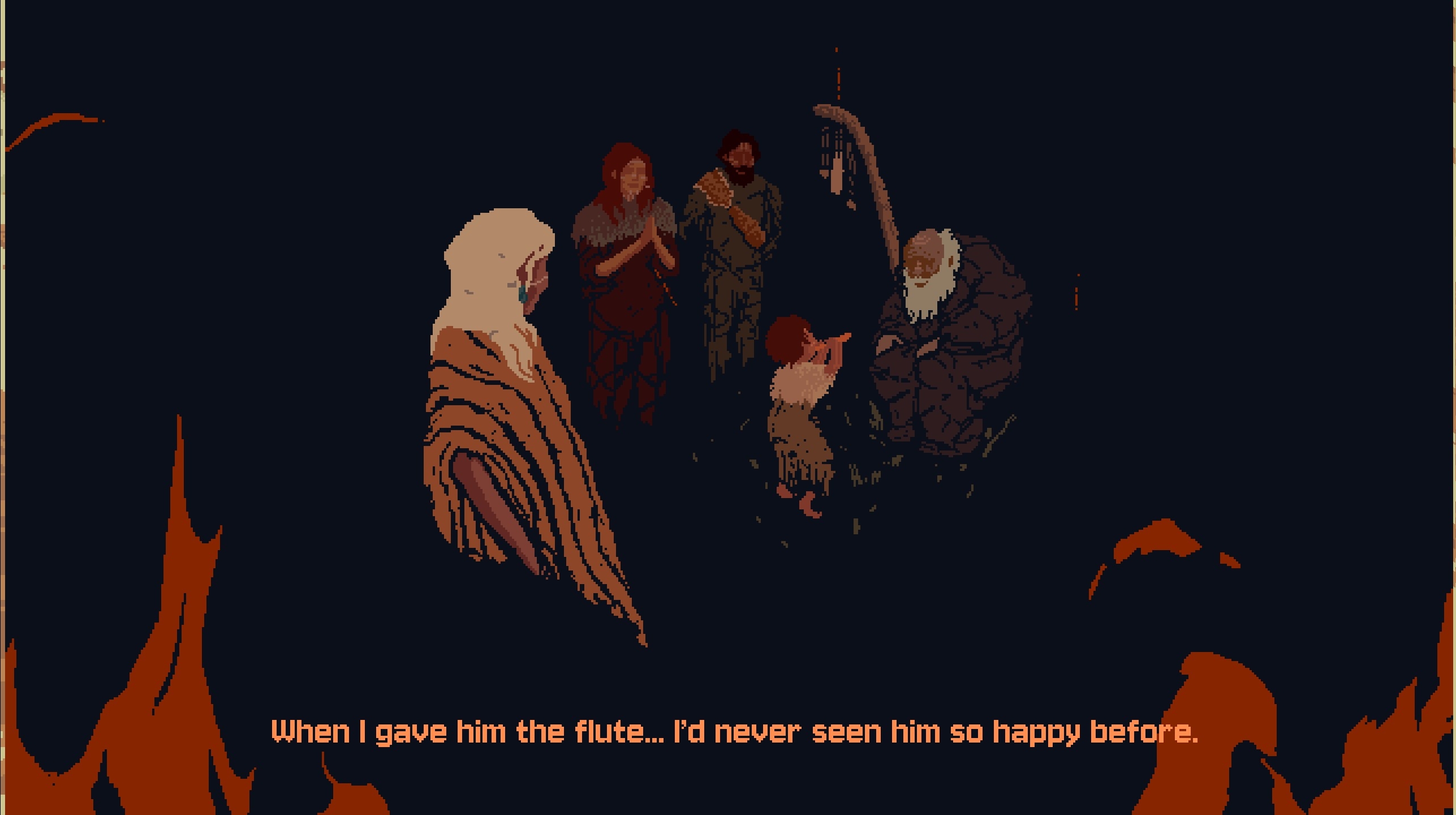
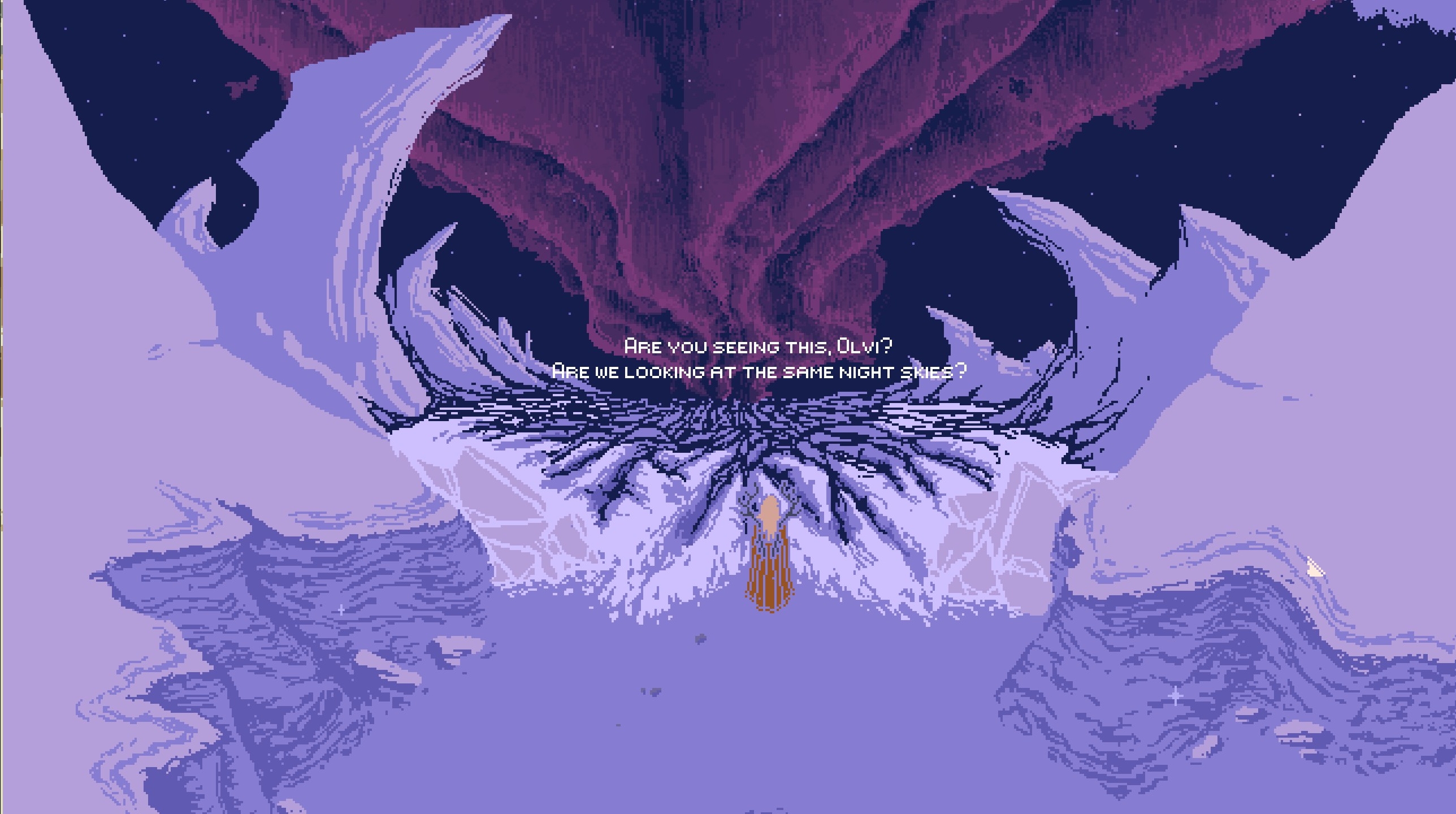
The biggest element that got me to ignore my initial reservations is the fantastic pixel art and dark vibes of the setting. Death Howl is a story set in 6000BC Scandinavia where a mother (and budding shaman) named Ro journeys into the spirit world to bring back the soul of her deceased son Olvi, who suffered an untimely death under circumstances that are initially unclear to the player. The spirit world is beautiful but harsh, and she is beset on all sides by spirits of wild beasts and other twisted beings, hellbent on preventing her from disrupting the natural order of life and death. It effectively mixes magical elements with the grounded reality of human emotion, and is a highly affecting contemplation on death, grieving, and guilt. The aesthetic is truly excellent, with the aforementioned pixel art featuring strong character design, vibrant colors and grotesquely beautiful creature art. The sound and music is worth shouting out as well; most of the tracks are understated but thrum with latent tension and dread, kicking up the drums, shakers, and other percussive instruments when combat begins.
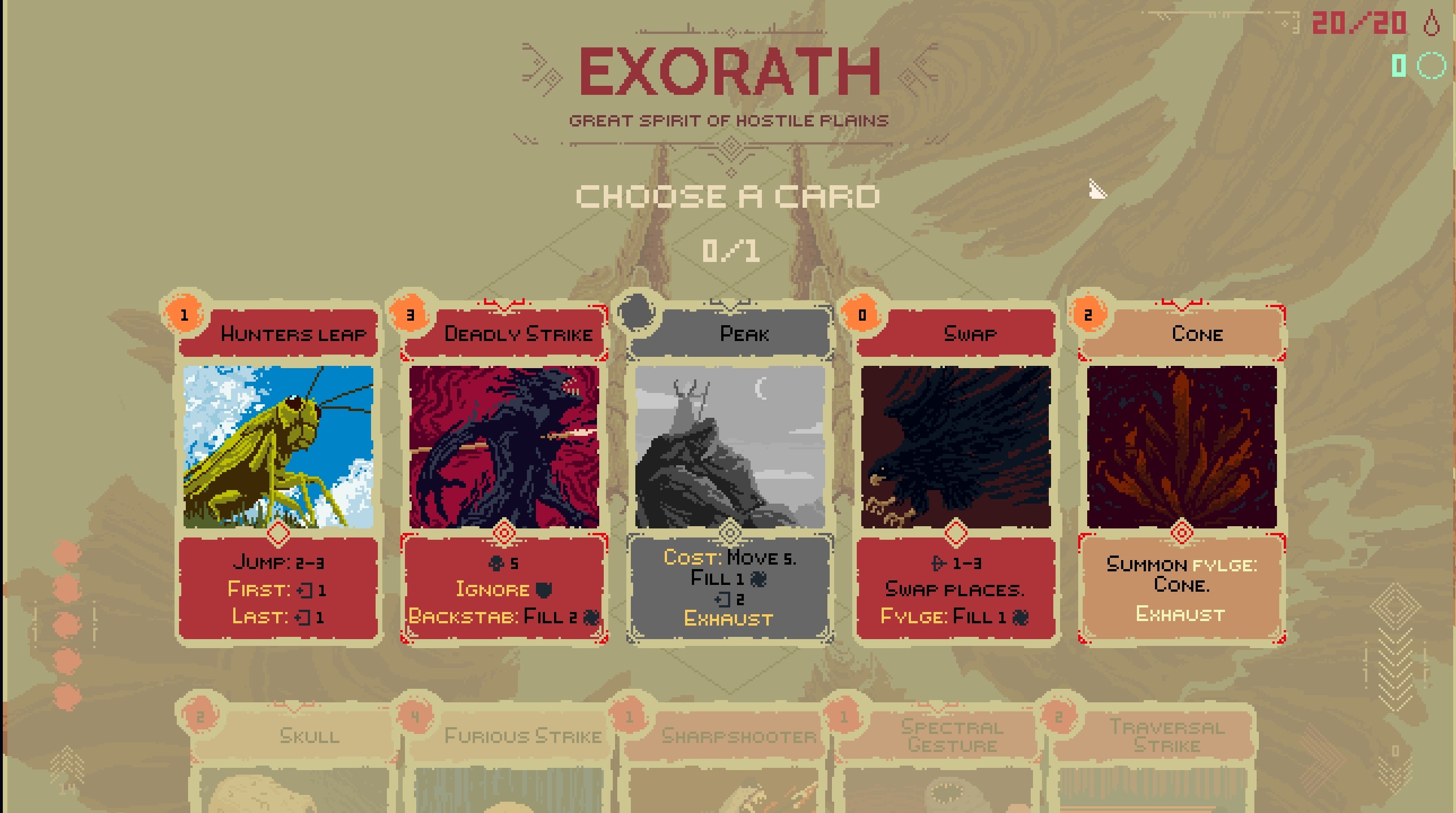
Death Howl’s card interactions and deckbuilding mechanics are also incredibly well designed. One very smart thing that does is that it limits the maximum size of the player’s deck to a slim 20 cards, which helped to make the mental load of calculating probabilities far more manageable for me. It also limits you to a maximum of 5 exhaust cards, which are powerful but are discarded for the remainder of the battle and will not recycle back to your draw pile. When it comes time to create your deck, you will start with Realmless cards as a base and will gradually unlock cards specific to the region you are in which synergize with its central mechanics. There are 4 main regions in the spirit world and each will ask you to play in a drastically different way and build your deck to suit one of a few playstyles specific to it.
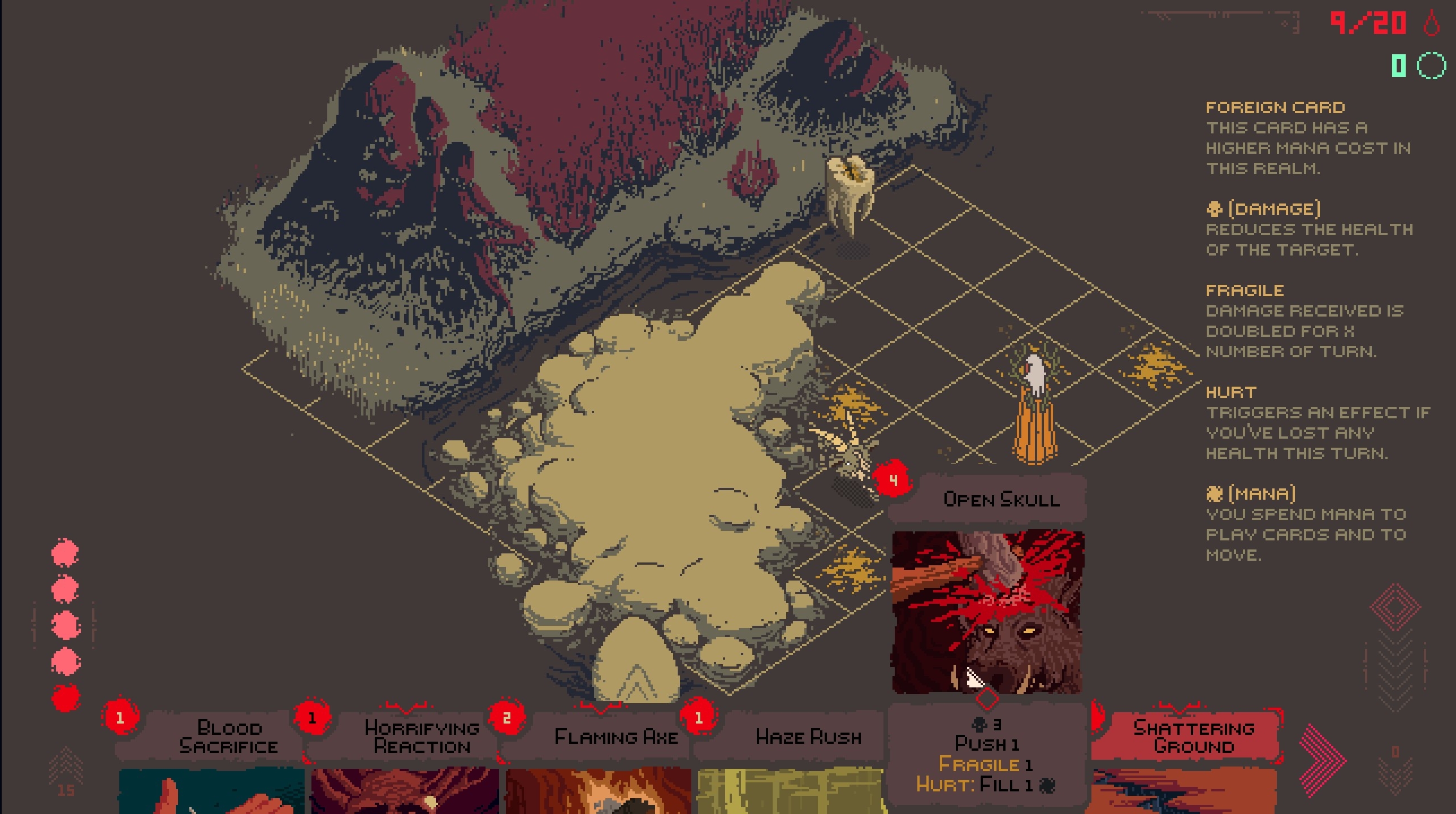
Ro has 5 mana at the start of the battle and this recharges every on player turn. Cards have a mana cost associated with them, and playing them in various ways will charge Ro’s Overwhelmed special meter which has a different effect per region such as healing Ro, restoring her mana, et cetera. Importantly, cards from a realm different from the one you’re currently in are hit with an additional +1 mana cost. This makes it so that realm-specific cards still can be played in different realms, but you’re encouraged to create decks specifically tailored for certain zones that primarily feature cards unlocked there. This keeps the deckbuilding element fresh and interesting. In games with this many options there is a natural tendency for players to try to find one approach that works well and use it like a skeleton key to crack open the rest of the game; fortunately Death Howl avoids this pitfall and is all the better for it.
Each region has a set of central mechanics that the decks naturally synergize with. All are very engaging, and it’s hard for me to pick a favorite region because the synergies are all so strong and satisfying to use, whether that be the emphasis on high mobility and backstabbing enemies in the Realm of Hostile Plains region, or the complete opposite in the Realm of Piercing Winds which rewards you for moving as little as possible, dragging enemies to you, and tanking their hits by building up your block stat (which also fills your Overwhelmed gauge). Winning battles and acquiring crafting materials expands the array of cards available to you, and it was both delightful and agonizing to see great new cards appear and wondering what I’m going to drop from my deck to make room for them.
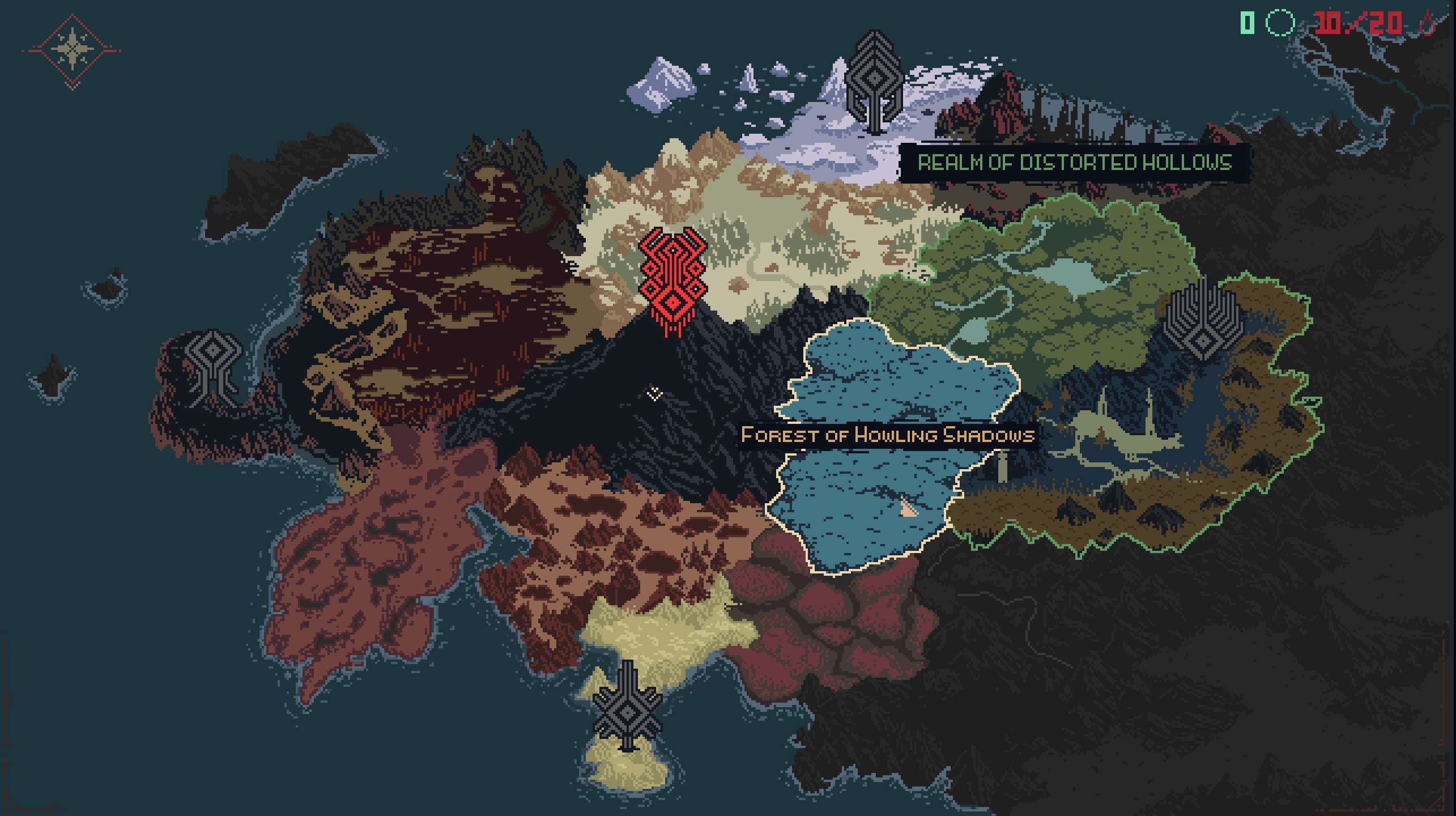
So as to why the developers describe this as soulslike – the game definitely brings the difficulty and intimately learning its core systems and enemy attack patterns are crucial to survival. You’ll take a lot of damage and barely scrape through battles early on in new regions, before you begin to unlock realm-specific cards. Enemies also respawn whenever you rest at a ritual circle, this game’s equivalent of bonfires. Fortunately the game does let you roam freely from realm to realm and perhaps encourages you to do so, because each area has its own specific progression tree featuring a unique buff trinket and allows you to unlock an additional trinket slot that is a permanent character upgrade. You can also freely experiment with deck creation; there are 15 unique save slots for decks that you can freely swap between and tweak between battles. Often you’ll be tasked with getting through several difficult battles in a row; tailoring your deck to the challenge, playing cautiously, and preserving your health becomes very important in these instances. Each area also features a fully unique boss encounter where the puzzle-like design of the encounters really shines. In the game’s best encounters, you may find yourself chaining together a golden set of actions that lets you rip through the enemies and end your turn with all enemies dead or otherwise unable to harm you, and these instances are so incredibly satisfying and reward strategic play. Build your deck right and you will almost never find yourself saying “I got screwed by a bad draw.” Although this is not a genre I frequently engage with, I still found the level of challenge to be well-balanced and rarely frustrating.
It’s a testament to Death Howl’s solid design and unique aesthetic that it got even an avowed deckbuilder hater like me to not just play it, but play it to 100% completion. If any of this has sounded even slightly appealing I encourage you to at least give its demo a try. It’s a triumph on so many levels, with fantastic system design and a somber, affecting atmosphere and story.
|
91
|
|